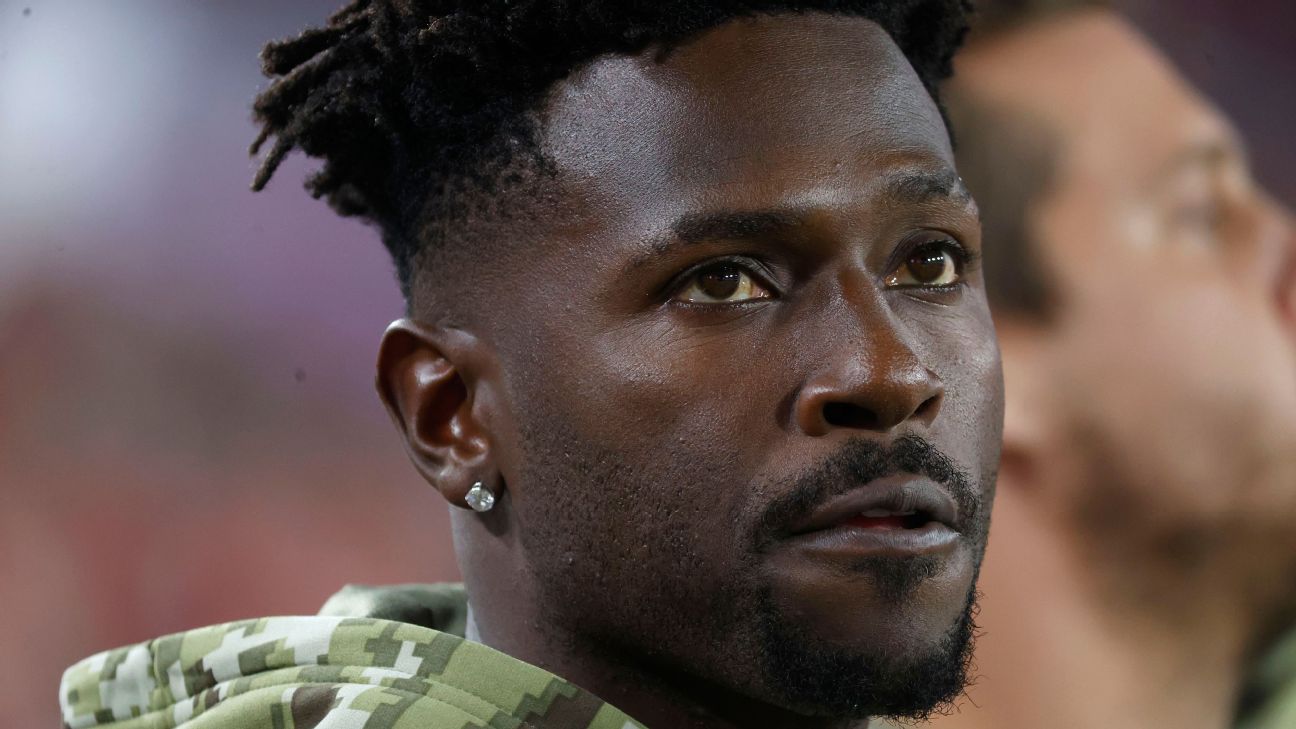
Brown files motion to dismiss murder charge, citing "Stand Your Ground" defense
Antonio Brown is facing a second-degree murder charge stemming from a shooting incident, raising serious questions about accountability and the implications of Florida's "Stand Your Ground" law.
Why it matters: This case not only involves a former NFL star but also highlights the complexities of self-defense laws in high-stakes situations. As public interest in legal outcomes surrounding violence continues to grow, the implications of this trial extend far beyond Brown himself.
Brown filed a motion to dismiss the charge based on Florida's controversial "Stand Your Ground" statute, which allows individuals to use force without retreating if they believe they are in imminent danger.
- The May 16, 2025, incident occurred outside an amateur boxing match and has since drawn significant media attention.
- If convicted, Brown could face up to 30 years in prison, a stark contrast to his previous life as an All-Pro receiver known for his athletic prowess.
What’s new: Brown claims that his actions were justified, asserting he believed that Zul-Qarnain Kwame Nantambu intended to cause him serious harm.
- His motion cites past incidents of alleged violence from Nantambu, including accusations of jewelry theft while both were in Dubai.
- However, police reports detail a different narrative, stating that Brown punched Nantambu before chasing him down and firing at point-blank range.
Yes, but: Despite Brown's assertions of self-defense, critics point to inconsistencies in his account.
- Attorney Richard L. Cooper, representing Nantambu, has dismissed Brown's defense as a “farcical reimagining” of events.
- Cooper emphasized the severity of the situation, noting, "By the grace of God, he was not killed," highlighting the potential consequences of Brown's actions.
What to watch: The outcome of this case will undoubtedly influence public perception of both Brown and the legal system's handling of self-defense claims.
- With ongoing discussions regarding gun laws and self-defense across the United States, this case may serve as a pivotal example in future legal interpretations.
The bottom line: As the trial unfolds, the legal community and the public will closely scrutinize the arguments presented by both sides.
- Brown’s motion for dismissal relies heavily on the justification provided by the "Stand Your Ground" law, but whether this defense will hold in court remains uncertain.
- With a history of tumultuous behavior off the field, this incident adds another chapter to Brown's complicated legacy within and beyond professional football.