U.S. House passes Safer Skies Act to enhance drone security at sporting events
The U.S. House of Representatives has passed the Safer Skies Act, enabling law enforcement to disable unauthorized drones at sporting events.
Why it matters: This legislation is a significant step toward enhancing security at major sporting events, amid rising concerns over drone incursions that threaten public safety.
- With over 2,000 reported drone incursions around NFL stadiums in recent seasons, the need for stringent aerial security measures has become increasingly urgent.
- High-profile incidents, such as the temporary suspension of a wild-card game between the Ravens and Steelers due to a drone, highlight the potential risks involved.
What’s new: The Safer Skies Act passed with bipartisan support, receiving a vote tally of 312-112.
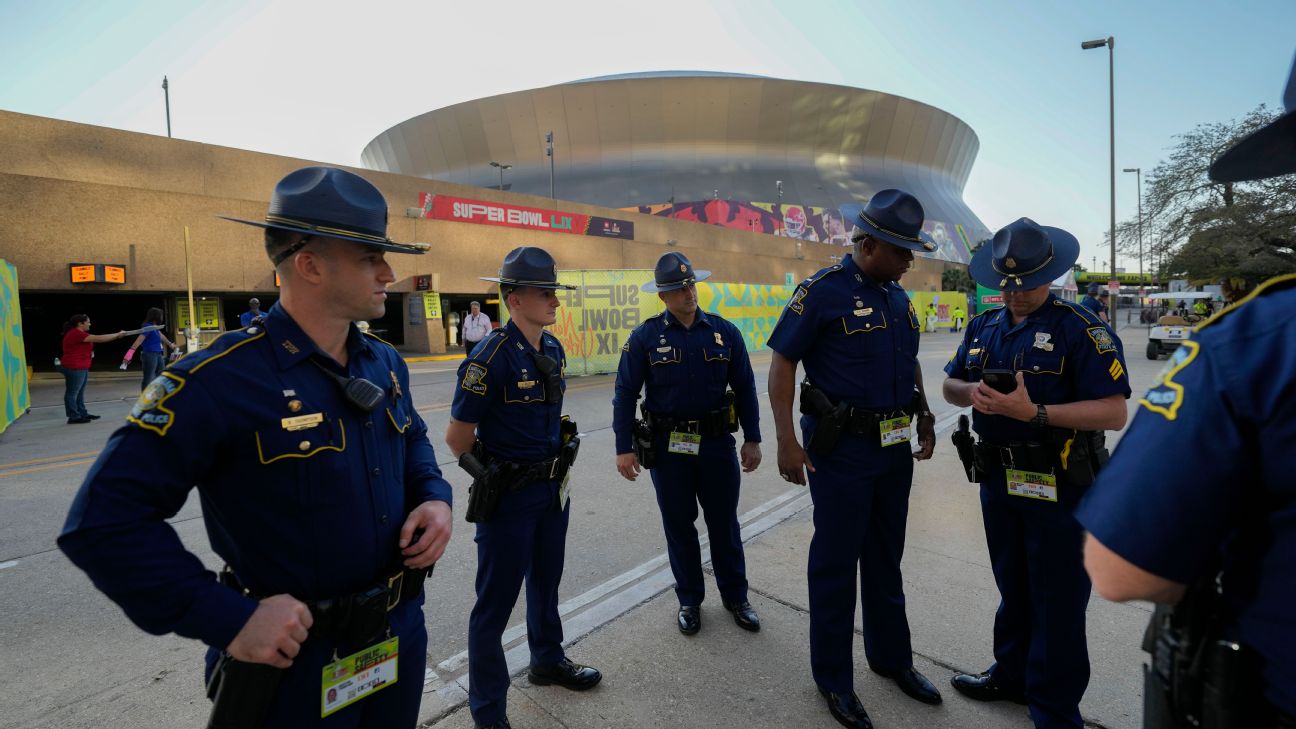
- The bill grants local and state law enforcement the authority to disable drones during sporting events, a capability currently limited to select federal personnel at major events like the Super Bowl and World Cup.
Yes, but: While the legislation aims to bolster airspace security, implementation challenges remain.
- Many venues may require additional resources and training for local law enforcement to effectively manage drone threats.
What to watch: As the U.S. prepares for significant events like the FIFA World Cup and the country's 250th birthday celebration, monitoring the effectiveness of this legislation will be crucial.
- John Thune emphasized the importance of robust airspace security to mitigate credible threats during these world-class events.
The big picture: The Safer Skies Act reflects a growing trend in sports and entertainment industries to prioritize safety amidst evolving technology.
- Both the NCAA and MLB have expressed similar concerns regarding unauthorized drones, indicating a widespread recognition of the issue across multiple sports organizations.
By the numbers: In addition to the reported drone incursions, the NCAA has been vocal about the dangers posed by unauthorized drones at college championships.
- Tim Buckley stated that the NCAA has raised concerns for several years, underscoring the long-standing nature of this problem.
Between the lines: This legislative action comes in response to a clear demand from sports leagues and fans alike for enhanced safety protocols.
- A White House official noted the necessity of expanding authorities to combat emerging drone threats, aligning with broader national security interests.
The bottom line: The passage of the Safer Skies Act is a pivotal moment for sports safety, signaling a proactive approach to addressing modern threats at large gatherings.
- As various sports leagues rally behind this initiative, stakeholders must remain vigilant in its implementation to ensure spectators can safely enjoy their favorite events.